Japanese Rubber Food Models
Walking through the streets of Tokyo, you might stop in front of a restaurant window and wonder how the sushi looks so impossibly fresh. The glistening salmon, the perfectly molded rice, the vibrant green of the wasabi — it all seems too perfect to be real. And in a way, it is. That display is crafted from wax or rubber, a tradition known as Japanese Rubber Food Models, or shokuhin sampuru. These models have been a cornerstone of Japanese hospitality for decades, helping diners choose their meals without needing to speak a word of the language. But what if you could bring that same level of clarity, detail, and visual appeal into your own creative projects?
That is exactly what the Japanese Rubber Food Models AI EPS illustration collection offers. It translates the artistry of physical food replicas into a versatile digital format, giving designers, business owners, and content creators a powerful tool to communicate ideas visually. This article explores what makes these illustrations special, how they work, and why they might be the missing piece in your next project.
The Art Behind Japanese Rubber Food Models
Before diving into the digital collection, it helps to understand the tradition that inspired it. Japanese rubber food models are handcrafted replicas of dishes, made from materials like silicone, PVC, and wax. Artisans spend years perfecting their craft, painting each piece by hand to match the texture, color, and sheen of real ingredients. A single bowl of ramen might take several days to complete, with each noodle placed individually.
These models serve a practical purpose in restaurants: they eliminate guesswork for customers, reduce kitchen waste, and communicate menu items across language barriers. But they also do something more subtle. They elevate food from a simple commodity to a visual experience. The same principle applies to digital illustrations. When you use a well-crafted vector icon or illustration, you are not just showing an object — you are conveying a feeling of quality, care, and authenticity.
What Makes This AI EPS Illustration Set Special for You
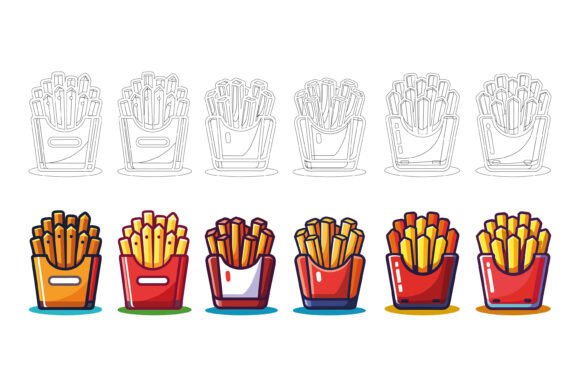
The Japanese Rubber Food Models AI EPS collection bridges the gap between traditional craftsmanship and modern design workflows. Unlike generic clip art or low-resolution images, this set is built with precision and consistency. Every illustration is created using vector paths, which means you can scale them from a tiny app icon to a billboard-sized poster without losing any sharpness. The files are saved in AI, EPS, and JPG formats, ensuring compatibility across both Mac and Windows environments. Whether you work in Adobe Illustrator, CorelDRAW, or Affinity Designer, you can open and edit these files without hassle.
One of the most practical features of this collection is the way files are organized. Each illustration sits on its own layer, clearly named and grouped. This might sound like a small detail, but when you are working on a complex project with dozens of elements, a clean file structure saves hours of frustration. You can find the exact component you need, adjust its color, resize it, or combine it with other graphics without accidentally breaking something else.
Perfection in Details and Consistency
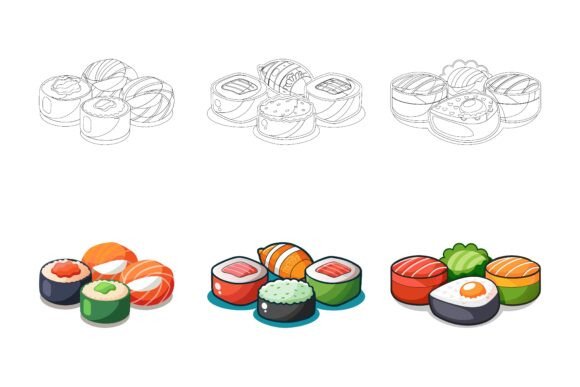
Every illustration in the Japanese Rubber Food Models collection reflects the same attention to detail you would find in a physical shop display. The highlights on a piece of sushi, the texture of a tempura batter, the gradient of a soft drink — these subtleties are captured through careful vector shading and color selection. More importantly, the style remains consistent across all illustrations. If you use multiple icons in a single design, they will look like they belong together, which is essential for branding, app interfaces, and infographics.
Full Editability
Unlike raster images where you are stuck with the original pixels, these vector files let you change everything. Need to match the brand colors of your client? Select the shape and adjust the fill. Want to create a night-time version of a ramen bowl? Darken the background and tweak the highlights. The ability to edit and modify icons easily means you are not limited to someone else's vision. You can adapt the illustrations to your specific needs without starting from scratch.
Suitable for Print, Web, Symbols, Apps, and Infographics
This versatility makes the collection a practical investment for a wide range of projects. Print designers can use the illustrations in menus, flyers, or packaging. Web designers can incorporate them into landing pages or blog graphics. App developers can use simplified versions as icons. Infographic creators can use the illustrations as visual anchors to guide the reader's eye. The same file works across all these contexts because it is built with clean lines, balanced proportions, and appropriate detail levels.
Restaurant Owners and Food Brands
If you run a restaurant, especially one with a Japanese or Asian theme, these illustrations can enhance your website, menu, and social media presence. Instead of relying on generic food photos that look like stock images, you can use illustrations that feel authentic and handcrafted. They communicate the same clarity as a physical food model but in a digital format that reaches customers before they ever walk through your door.
Graphic Designers and Illustrators
Designers often need high-quality food icons for projects, but creating them from scratch takes time. This collection gives you a starting point that is already polished and consistent. You can use the illustrations as-is, or you can modify them to match the unique style of your client's brand. The organized layers and editability mean you spend less time on technical details and more time on creative decisions.
Content Creators and Bloggers
Food bloggers, YouTubers, and social media influencers need visual assets that stand out in crowded feeds. The Japanese Rubber Food Models illustrations offer a clean, professional look that works well in thumbnails, banners, and post graphics. They also work beautifully in print materials like recipe cards or zines.
E-commerce and App Developers
Online stores that sell food products or related merchandise can use these icons to create clear category labels, product badges, or promotional banners. App developers can integrate the illustrations into ordering systems, menu browsers, or recipe apps where visual recognition speeds up user interaction.
Real-World Scenarios and Applications
Imagine you are designing a menu for a new ramen shop. You want to show customers the difference between shoyu, miso, and tonkotsu broth without using lengthy descriptions. A set of Japanese Rubber Food Models illustrations lets you place a small, detailed icon next to each option. The customer sees the rich brown of the tonkotsu, the golden clarity of the shoyu, and the thick creaminess of the miso — all before reading a single word.
Or consider a food festival website that features multiple vendors. Instead of taking photos of every dish, you can use a consistent set of illustrations to represent each cuisine style. This creates a cohesive visual identity for the event while still giving attendees a clear idea of what to expect.
For an app that helps people learn Japanese cuisine, these illustrations could serve as visual flashcards. Each illustration pairs with a name in English and Japanese, helping users associate the dish with its appearance. The consistency of the set means that learners focus on the food itself, not on confusing stylistic changes between images.
Practical Guidance for Evaluating Suitability
Before purchasing any illustration set, it is wise to consider a few factors. First, think about the style you need. The Japanese Rubber Food Models collection has a realistic yet stylized look that works best for contexts where you want to convey authenticity without being hyper-realistic. If your project requires cartoony or minimalist icons, this might not be the right fit. But if you want illustrations that feel handcrafted and detailed, this set delivers.
Second, consider the range of dishes included. A good collection covers popular items like sushi, ramen, tempura, and teriyaki, but also includes less common dishes that might be relevant to your niche. Check the preview to see if the specific items you need are present. If they are not, remember that you can use the available illustrations as templates and modify them — change the color, reshape the elements, or combine parts from different files to create something new.
Third, think about your technical comfort level. The files come with organized layers and easy editing capabilities, but you do need basic familiarity with vector editing software. If you are a complete beginner, you might want to watch a short tutorial on how to open and edit EPS or AI files before diving in. The learning curve is minimal, but a little preparation goes a long way.
Strengths and Considerations
The strongest advantage of this collection is the time it saves. Creating a single detailed food illustration from scratch can take hours or even days. Starting from a professionally made vector file reduces that time to minutes. The consistency across the set also means you do not have to worry about stylistic mismatches when using multiple illustrations together.
Another strength is the versatility of the formats. AI and EPS files are industry standards for vector graphics, and the included JPG versions give you immediate use cases for web or quick drafts. The cross-platform compatibility ensures that no matter what operating system or software you prefer, you can access the files.
A practical consideration is that while the illustrations are detailed, they are still representations, not photographs. For projects where hyper-realism is required — such as a scientific study of food textures — actual photography might be more appropriate. But for the vast majority of commercial, educational, and creative applications, the balance of detail and editability in these vector illustrations is ideal.
Final Thoughts
Japanese Rubber Food Models represent more than just a cultural curiosity. They embody a philosophy of clarity, hospitality, and meticulous craftsmanship. The AI EPS illustration collection built around this concept carries that same philosophy into the digital world. It gives you tools that are not only beautiful to look at but genuinely useful in everyday projects.
Whether you are designing a menu, building an app, creating content for social media, or putting together a marketing campaign, having reliable, editable, and consistent illustrations at your fingertips changes how you work. You stop searching for the right image and start creating with confidence. The file structure is neat, the layers are organized, and the colors are easy to adjust. There is no guesswork, no compatibility headaches, no need to compromise on quality.
So what are you waiting for? If you have been looking for illustrations that combine the timeless appeal of Japanese food display art with the flexibility of modern vector design, this collection is ready for you. Buy now and start using this awesome illustration set to bring your projects to life.