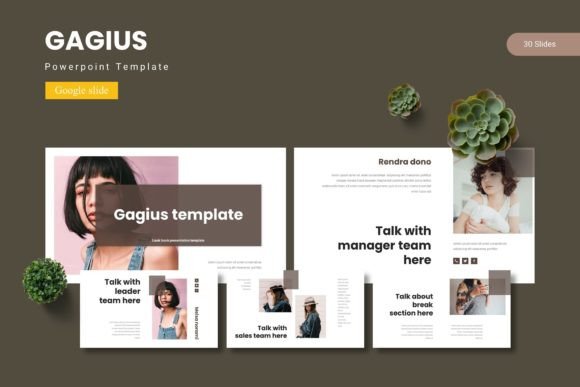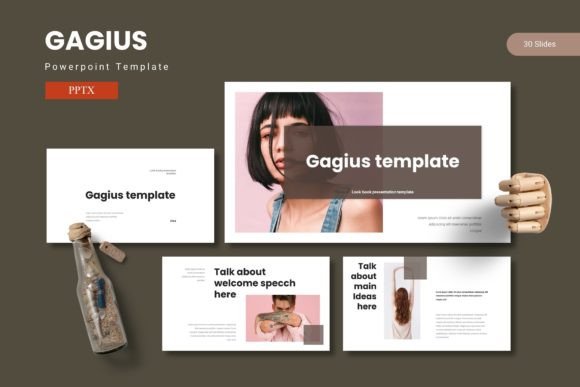
Gagius PowerPoint Template: Present with Confidence
Presentations carry weight. Whether you are pitching to investors, teaching a workshop, or sharing a portfolio with a potential client, the visual quality of your slides shapes how your message is received. The Gagius - Powerpoint Template steps in as a complete design system that helps you build polished, professional presentations without needing advanced design skills. With 150 total slides spread across five premade color variations, this template gives you room to experiment, adapt, and present with clarity.
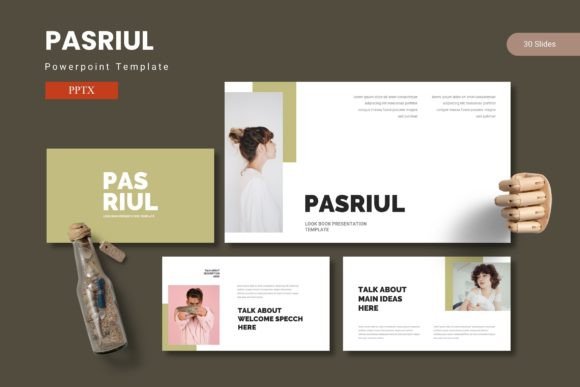
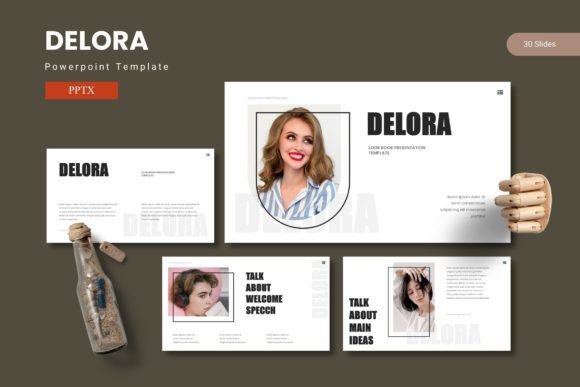
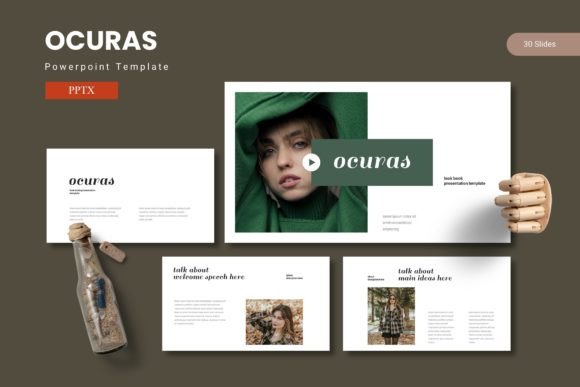
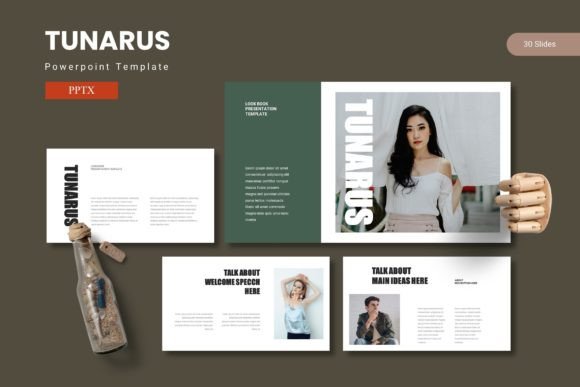
What makes Gagius especially useful is its modular structure. Each of the five color schemes includes 30 slides, plus dedicated section break slides that help you organize content into clear, digestible chunks. This means you are not locked into a single look. You can choose the palette that fits your brand, your audience, or the mood of your talk. The template also includes handcrafted infographics built on master slides, so every chart, icon, and illustration remains editable and scalable. You are free to resize, recolor, and reposition every element without breaking the design.
Why Gagius Works for Different Creators
Not every presentation serves the same purpose, and Gagius acknowledges that by offering flexibility for a range of users. Designers appreciate the pixel-perfect illustrations and the ability to swap assets using the picture placeholder feature. Marketers value the gallery and portfolio slides, which let them showcase work or products in a clean, visual format. Entrepreneurs and small business owners benefit from the coherent structure that helps them move from problem to solution in a logical sequence. Educators find the infographics useful for explaining complex ideas step by step. Whether you are a freelancer building a client pitch or a blogger creating a slide deck for a webinar, the template adapts to your workflow rather than forcing you to adapt to it.
Start with a strong narrative arc
A presentation is more than a collection of slides. It is a story you guide your audience through. Gagius supports this by providing section break slides that act as natural pauses or transitions. Use these to signal a shift in topic, introduce a new chapter, or emphasize a key point. For example, if you are presenting a marketing strategy, you might group slides under sections like Research, Strategy, Execution, and Results. Each section break slide gives your audience a mental reset, helping them follow your logic without getting lost in a sea of data.
The template’s master slide approach also ensures consistency. When you edit a master slide, every slide based on it updates automatically. This saves time and preserves visual harmony across your entire deck. You can focus on refining your message while the template handles the layout and typography.
Creative applications beyond the standard pitch
Gagius is often described as a business template, but its use cases extend far beyond quarterly reports and sales decks. Here are a few ways different creators can adapt it to their specific needs.
- Portfolio presentations for freelancers: Use the portfolio and gallery slides to showcase your best work. The picture placeholders make it easy to drag and drop images without distorting the layout. You can create a clean, visual walkthrough of projects, with brief case study notes on adjacent slides.
- Educational workshops and training sessions: Handcrafted infographics help break down processes, timelines, and comparisons. Use the color variations to differentiate modules or topics. The section breaks can mark the start of each new lesson, giving participants a clear sense of progression.
- Internal company updates: Keep teams aligned by presenting metrics, milestones, and goals in a visually digestible format. The editable charts and graphs let you plug in real data. The five color schemes can be used to differentiate departments or projects, making the deck easier to scan.
- Conference talks and keynotes: Speaker decks need to be bold and readable from a distance. Gagius offers high-contrast layouts and resizable elements. You can enlarge key statistics or quotes, using the infographic slides to transform abstract numbers into memorable visuals.
- Client proposals and pitch decks: First impressions matter. The template’s polished look signals professionalism. Customize the color scheme to match your brand, and use the portfolio slides to demonstrate past results. The editable nature of every graphic means you can tailor each slide to the client’s industry.
Practical tips for staying organized and consistent
A template is only as effective as the way you use it. To get the most out of Gagius, it helps to plan your structure before you start adding content.
- Map out your slide sequence: Decide how many sections you need and what each one will cover. Assign section break slides accordingly. This gives you a skeleton to build upon.
- Choose one color variation and stick with it: While the template offers five palettes, mixing them within a single deck can confuse your audience. Pick the scheme that best represents your brand or the tone of your presentation. Use it consistently across all slides.
- Leverage master slides for global edits: If you need to update a recurring element—like a logo, footer, or background—edit the master slide. The change will apply everywhere, saving you from repetitive manual work.
- Use picture placeholders correctly: Drag and drop your images into the designated placeholders rather than resizing manually. This preserves the original aspect ratio and keeps the layout intact. For best results, use high-resolution images that match the slide dimensions.
- Keep text concise: Slides are visual aids, not documents. Use bullet points, short phrases, and keywords. Let the infographics and illustrations carry the weight of explanation. Your spoken words will fill in the details.
- Test readability early: Project your slides on a screen or view them at full size. Check that fonts are legible, contrast is sufficient, and no elements are cut off. Adjust master slides if needed to improve visibility.
Adapting the template for different platforms
Presentations are no longer limited to in-person meetings. You may be sharing slides as PDFs, uploading them to webinar platforms, or converting them to video. Gagius handles these formats well because of its clean vector-based graphics and editable text. When exporting to PDF, the infographics and illustrations maintain crisp lines. For video, you can animate individual elements using PowerPoint’s built-in transitions and motion paths. The template’s structure gives you a solid foundation to layer movement without overwhelming the viewer.
If you are creating self-paced learning materials, consider splitting the deck into smaller modules. Use the section break slides as title cards for each module. This modular approach makes the content easier to consume and update later. You can even create branded templates for your team by saving one of the color variations as a base file.
How to keep your presentation audience-friendly
No matter how beautiful your slides look, the ultimate goal is communication. Keep your audience at the center of every design decision.
- Prioritize clarity over decoration: Avoid overcrowding slides with too many elements. Gagius provides ample white space, so let it breathe. Use one main visual per slide and support it with minimal text.
- Align your color choices with audience expectations: A corporate boardroom might prefer conservative blues and grays, while a creative workshop could benefit from bolder accents. Gagius gives you five distinct palettes, so you can match the tone without starting from scratch.
- Use infographics to simplify, not complicate: The handcrafted infographics in Gagius are designed to make data accessible. Choose the right chart type for your information. A comparison infographic works well for pros and cons. A timeline infographic suits process flows. Avoid forcing data into a graphic that distorts its meaning.
- Test your slides with a colleague: Before the final presentation, ask someone unfamiliar with the topic to review your deck. If they can follow the main points without you speaking, your slides are doing their job. If they get confused, revise the sequence or simplify the visuals.
Realistic example: A product launch deck
Imagine you are launching a new SaaS product. You have about 20 minutes to convince stakeholders and early adopters. Using Gagius, you might structure your deck like this:
- Section 1: Problem – Use a section break slide with a bold title. Follow with two to three infographic slides showing market pain points or customer feedback data.
- Section 2: Solution – Introduce your product with a gallery slide showing screenshots or mockups. Use a portfolio slide to highlight key features. Add a comparison infographic to show how your product differs from competitors.
- Section 3: Validation – Present early metrics or testimonials using chart infographics. Keep the data points clear and let the visuals reinforce your claims.
- Section 4: Call to action – End with a clean closing slide that includes your website, contact details, and a single compelling statement. The section break style can work here to signal finality.
This structure uses Gagius’s built-in tools to guide your audience from problem to solution without losing momentum. Each section break gives them a moment to absorb before moving forward.
Maintaining originality while using a template
Templates are starting points, not finished products. To make your presentation feel unique, personalize the content and customize the visuals. Swap placeholder images with your own photography. Adjust the color scheme slightly to match your brand guidelines. Add your logo and typography preferences. The editable master slides make these changes simple and consistent. The more you tailor the template to your specific message, the more authentic your presentation will feel. Your audience will sense that care went into the design, and that attention to detail reflects positively on your ideas.
Gagius gives you a foundation, but your content, your voice, and your perspective are what make the presentation memorable. Use the template to remove friction from the design process, and invest that saved time into refining your story, practicing your delivery, and connecting with your audience. That balance between structure and originality is where great presentations come from.